Cut Retail Waste Costs With Efficient Cardboard Baling

Cut Retail Waste Costs With Efficient Cardboard Baling

Retailers can reduce waste disposal costs whilst generating additional revenue through efficient cardboard baling systems that transform loose packaging into high-density bales.

The Hidden Cost of Cardboard Waste in Retail Operations

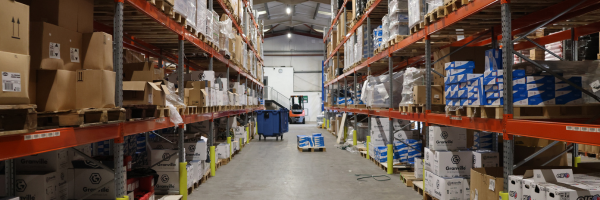
Retail operations generate substantial volumes of cardboard packaging daily, yet many businesses fail to recognise the true cost impact of inefficient waste management. Loose cardboard accumulates rapidly in stockrooms and loading bays, consuming valuable floor space that could be dedicated to inventory or operational activities. This clutter creates trip hazards, obstructs fire exits, and increases the risk of workplace accidents, potentially exposing retailers to regulatory penalties and insurance claims.

Beyond safety concerns, the financial implications are considerable. Retailers handling loose cardboard face inflated waste collection frequencies, with haulage companies charging premium rates for low-density materials that inefficiently fill collection vehicles. Each additional collection incurs labour costs, fuel consumption, and transport charges that accumulate significantly over time. Furthermore, loose cardboard offers minimal commodity value to recyclers, resulting in missed rebate opportunities that could offset operational expenses.

The environmental impact compounds these challenges. Frequent collections increase carbon emissions from transport operations, undermining corporate sustainability commitments and Environmental, Social, and Governance (ESG) targets. Without structured waste management protocols, retailers struggle to meet recycling targets whilst managing escalating disposal costs that directly affect profit margins.AdobeStock_1996742842 (1)

Cardboard Baling Equipment Transforms Retail Waste Management

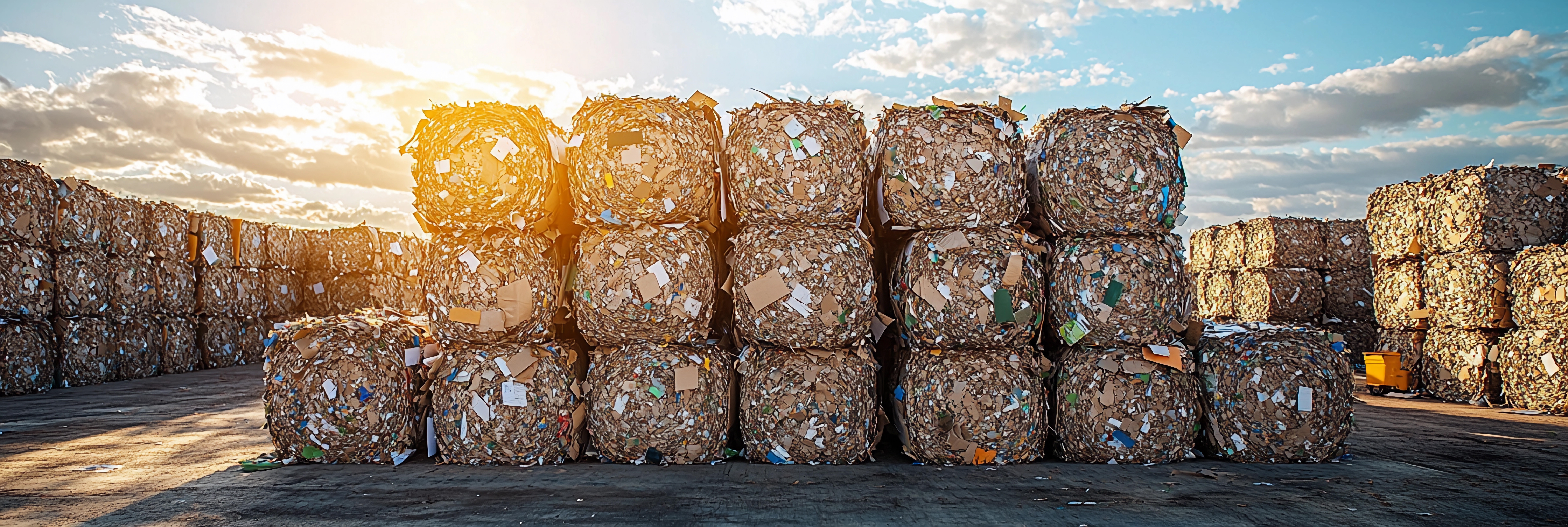
Implementing baling equipment fundamentally transforms how retail operations manage cardboard waste. A horizontal baler compacts loose packaging into high-density bales, reducing waste volume by up to 90% and dramatically decreasing the frequency of collections required. This volume reduction translates directly into lower haulage charges, reduced labour requirements for waste handling, and optimised use of available floor space.

The Semi-Automatic CK Lyndex range of horizontal balers delivers consistent compaction force, producing uniform bales that meet recycler specifications for quality and density. These machines process cardboard efficiently throughout operational hours, enabling staff to manage waste as part of routine workflows rather than dedicating significant time to manual handling and disposal coordination. The semi-automatic operation balances productivity with accessibility, requiring minimal operator training whilst delivering reliable performance.

Baled cardboard commands substantially higher commodity prices than loose materials. Recyclers value consistent bale quality, predictable density, and contamination-free packaging, all achievable through proper baling protocols. This transforms waste from a cost centre into a revenue stream, with regular rebate payments from recycling partners offsetting equipment investment and operational expenses. Retailers report recouping baler costs within 18 to 24 months through combined disposal savings and rebate income.

Selecting the Right Baling Solution for Your Retail Environment

Choosing appropriate baling equipment requires careful assessment of operational parameters specific to each retail environment. Volume throughput represents the primary consideration—retailers must quantify daily cardboard generation to specify machinery with adequate chamber capacity and cycle time. The Semi-Automatic CK Lyndex horizontal balers accommodate varying throughput requirements, with models designed for both compact retail locations and high-volume distribution centres.

Spatial constraints significantly influence equipment selection. Horizontal balers offer advantages in environments with limited headroom or restricted access, as their low-profile design facilitates installation in loading bays, stockrooms, or dedicated waste management areas. Chamber dimensions and feed opening specifications must align with the physical characteristics of incoming cardboard, ensuring efficient loading without requiring excessive material preparation.

Operational considerations extend beyond basic specifications. Power supply requirements, noise levels during compaction cycles, and integration with existing waste management workflows all impact equipment suitability. The semi-automatic operation mode provides an optimal balance for retail applications, offering productivity benefits over manual vertical balers whilst avoiding the complexity and cost associated with fully automatic systems. Retailers should evaluate machinery constructed with robust engineering standards, ensuring reliable performance under continuous operational demands and extended service life that protects investment value.

CK850HFEPC_75T_Enhanced_LR

Maximising Revenue and Bale Quality Through Proper Compaction

Bale quality directly influences commodity value and recycler acceptance. High-density compaction produces stable bales that withstand handling, transportation, and storage without structural failure. The CK Lyndex horizontal balers deliver consistent compaction force across the entire bale, eliminating density variations that compromise integrity and reduce market value. Uniform bales optimise container utilisation during transport to recycling facilities, reducing haulage costs per tonne and improving overall supply chain efficiency.

Material preparation significantly affects final bale quality. Operators should remove contaminants including plastics, metal fasteners, and excessive packaging tape before loading cardboard into the baler chamber. Clean, homogeneous bales command premium prices from recyclers and prevent rejection at processing facilities. Establishing clear segregation protocols within retail operations ensures consistent feedstock quality, protecting rebate income and maintaining positive relationships with recycling partners.

Wire tensioning and tying procedures require proper training to secure bales effectively. Inadequate wire tension results in bales expanding during storage or transport, reducing density and potentially causing containment failure. Conversely, excessive tension may damage wire integrity or compromise bale structure. The Semi-Automatic CK Lyndex range incorporates user-friendly tying systems that guide operators through proper procedures, ensuring consistent results across different staff members and operational shifts. Regular monitoring of bale weights and dimensions provides performance metrics that validate equipment settings and identify opportunities for optimisation.

Achieving Long-Term Cost Savings With Maintenance and Support

Baling equipment represents a significant capital investment requiring structured maintenance protocols to protect operational reliability and equipment longevity. Planned preventative maintenance programmes address wear components before failure occurs, preventing costly unscheduled downtime that disrupts waste management workflows and creates operational bottlenecks. Hydraulic systems, electrical components, and mechanical assemblies all benefit from regular inspection and servicing according to manufacturer specifications.

The CK Lyndex horizontal balers feature robust construction that minimises maintenance requirements whilst facilitating straightforward servicing procedures. Low-maintenance design reduces total cost of ownership by limiting consumable replacement frequency and extending service intervals. However, even the most reliable equipment benefits from professional maintenance delivered by qualified engineers with manufacturer-specific training and access to genuine spare parts that maintain performance standards.

Establishing a maintenance relationship with a specialist provider ensures rapid response when technical support is required. Equipment downtime directly impacts waste management capacity, potentially forcing retailers to revert to costly loose waste collections or accumulate materials in operational areas. A comprehensive support agreement provides access to field service engineers capable of diagnosing issues, implementing repairs, and restoring operational status efficiently. This proactive approach protects the investment in baling infrastructure whilst ensuring consistent performance that delivers projected cost savings and revenue generation throughout the equipment lifecycle.

Improve your Carbon Footprint by Baling Waste

Efficient cardboard baling delivers measurable environmental benefits that support corporate sustainability objectives and ESG reporting requirements. Reducing waste volume by 90% directly decreases collection frequency, cutting associated transport emissions from haulage operations. Fewer vehicle movements reduce fuel consumption, air quality impacts, and traffic congestion, contributing to broader environmental goals beyond individual retail operations.

High-quality baling improves recycling efficiency by delivering clean, consistent feedstock to processing facilities. Recyclers achieve higher recovery rates from well-prepared bales, reducing the quantity of material diverted to landfill or incineration. This supports circular economy principles by maximising the value recovered from cardboard packaging and reducing demand for virgin fibre production, which carries significant environmental costs including deforestation, water consumption, and energy-intensive manufacturing processes.

Retailers implementing baling systems demonstrate tangible commitment to environmental responsibility, strengthening brand reputation with environmentally conscious consumers and stakeholders. Documented waste reduction and recycling achievements provide compelling content for sustainability reports, marketing communications, and corporate social responsibility initiatives. The measurable carbon emission reductions from optimised waste management contribute directly to Scope 3 emissions targets, helping retailers meet increasingly stringent environmental performance standards and prepare for future regulatory requirements.1-May-05-2026-03-41-03-8492-PM

How CK Lyndex provides the complete solution

CK International delivers comprehensive waste management solutions tailored to the specific requirements of retail operations. The Semi-Automatic CK Lyndex horizontal baler range combines robust engineering with operator-friendly design, providing reliable performance that addresses the volume throughput and space constraints typical of retail environments. With more than 25 years of experience in waste compaction equipment, CK International understands the operational challenges retailers face and designs solutions that integrate seamlessly into existing workflows.

Flexibility in acquisition options ensures retailers can implement baling solutions regardless of capital budget constraints. Both lease arrangements and outright purchase options accommodate different financial strategies, enabling businesses to access equipment that delivers immediate cost savings without prohibitive upfront investment. This flexibility, combined with high-capacity channel balers manufactured in Northern Ireland, positions CK International as a complete solution provider capable of addressing diverse retail requirements from compact stores to large distribution centres.

Comprehensive after-sales support distinguishes CK International's service proposition. A nationwide network of specialist engineers provides rapid response when technical assistance is required, minimising downtime and protecting operational continuity. Planned preventative maintenance programmes, genuine spare parts availability, and operator training services ensure equipment delivers consistent performance throughout its operational life. This integrated approach—combining quality equipment, flexible acquisition options, and dedicated support—enables retailers to achieve sustainable cost reductions whilst meeting environmental objectives.

Take the first step towards transforming your retail waste management and reducing operational costs. CK International offers a free site audit to assess your current cardboard handling processes and identify opportunities for improvement. Our specialists will evaluate your waste volumes, spatial constraints, and operational requirements to recommend the optimal baling solution for your environment. Contact us today to schedule your complimentary site assessment and discover how efficient cardboard baling can reduce disposal costs, generate rebate income, and support your sustainability goals.